T-Mobile
Build the System
Leading brand and campaign work across T-Mobile's largest cultural platforms — authoring the work internally and directing the agencies who help build it.
Culture at UN-Carrier Scale
ABOUT
I joined T-Mobile in 2025 as a Senior Creative Director, bringing senior creative leadership to an internal team building at enterprise scale.
My team supports postpaid deployment and brand initiatives across the organization — launch, above and below the line, at enterprise scale.
T-Mobile spent a decade as the carrier that wasn't supposed to win, and the Un-carrier work is how that argument reached customers. At this scale, though, the same initiative moves through internal teams, outside agencies, regional adaptations, and a dozen channels before anyone sees it. Keeping it recognizable through all of that is a different discipline than making it.
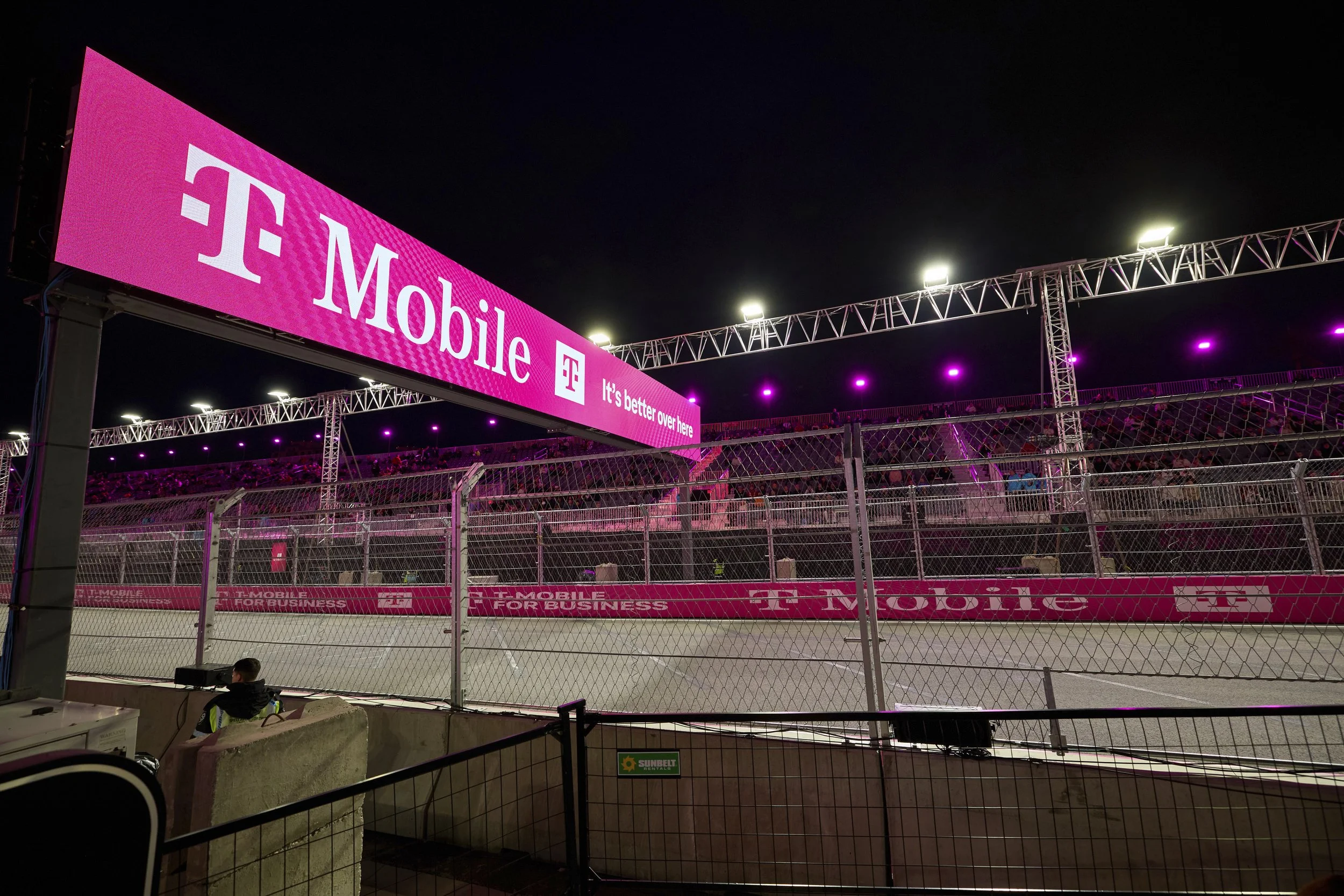
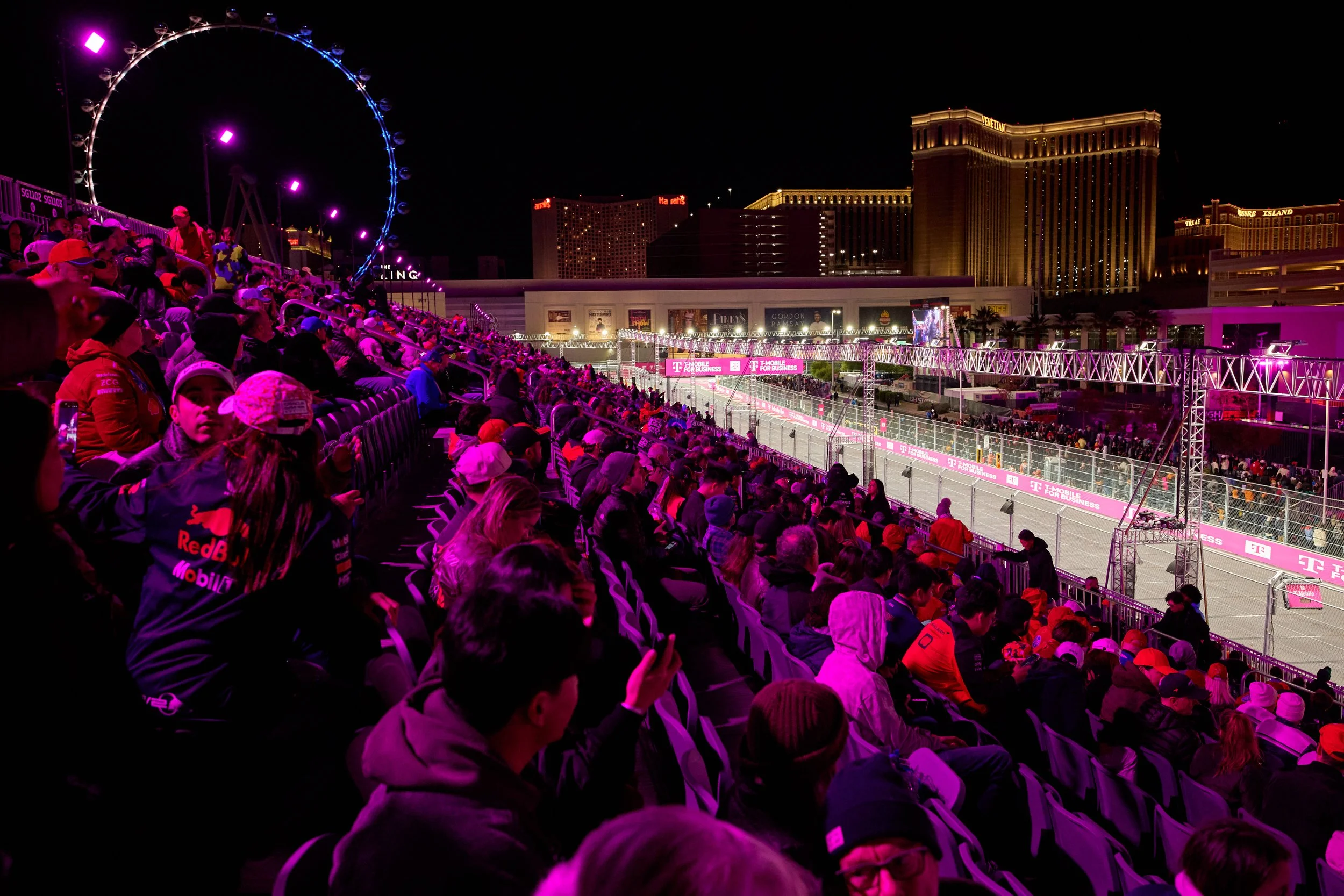
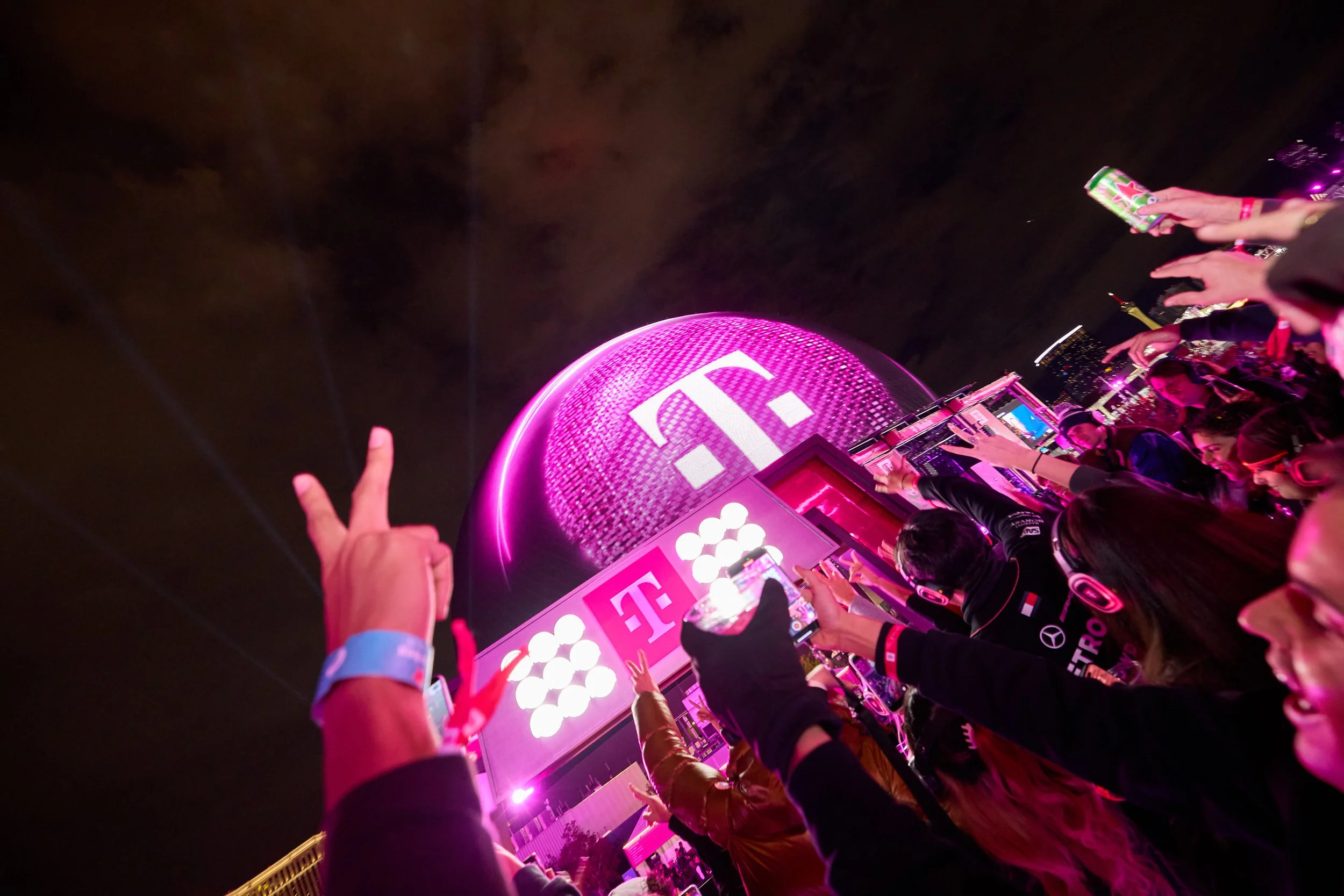
My focus is the work that has to travel across every touchpoint: Un-carrier moves and the national sports and entertainment platforms, including F1, MLB, the SEC, the PGA, the Olympics, and National Parks.
AT T-MOBILE, THE JOB IS CONNECTING CULTURE TO CUSTOMERS AT UN-CARRIER SCALE.
WHat I DId
-
I AUTHOR IDEAS AND BUILD SYSTEMS.
Initiatives at this scale need two things that get confused with each other: someone to decide what the idea actually is, and a system that lets hundreds of people execute it consistently without a senior creative in every room.
On the sponsorship platforms, the deliverable isn't a campaign. It's the campaign plus the architecture that lets it live across channels, regions, and teams I'll never meet.
That architecture is the difference between a platform that holds together for a season and one that fragments by the second execution. Built well, it lets people I've never briefed make decisions I'd agree with.
-
I WORK IN A HYBRID MODEL — PART MAKER, PART CREATIVE MANAGEMENT.
Some of the work is authored internally. Some is built with outside agencies. My role spans both: defining the creative intent, briefing and directing agency partners, and holding the standard across everything that carries the brand.
Enterprise-scale rollouts don't fail at the idea stage. They fail in handoff, when work moves between groups who don't share the same understanding of what it's supposed to be.
Having sat on both sides of the brief, I brief the way I wanted to be briefed: clear about the problem, honest about the constraints, specific about what winning looks like, and willing to leave room for a partner to bring something I didn't ask for.
-
I HOLD THE STANDARD ACROSS EVERY TOUCHPOINT.
A sponsorship platform reaches a customer in a stadium, on a phone, in a store, and in a feed — often in the same afternoon. Each of those moments is someone else's job.
My work is making sure they add up to one thing. Not identical execution, but a consistent promise: the same brand showing up in a way the customer recognizes and can trust, whatever door they came through.
That's the through-line from every organization I've worked inside. Scale doesn't break a brand. Inconsistency does.
-
What Became Possible
Led creative on national sports and entertainment platforms including F1, MLB, SEC, PGA, the Olympics, and National Parks.
Authored and built toolkits for Un-carrier initiatives deploying across all brand and campaign touchpoints at enterprise scale.
Directed external agency partners on behalf of the brand, from brief through execution, across major campaign and sponsorship work.
Led internal creative teams and external partners deploying large initiatives in parallel across the organization.
Built systems allowing large brand initiatives to scale consistently across above- and below-the-line execution.
What T-MOBILE Taught Me
T-Mobile taught me that at enterprise scale, having the idea and landing the idea are two different jobs.
The Un-carrier work and the sponsorship platforms reach customers in a stadium, on a phone, in a store, and in a feed — often on the same afternoon. Every one of those moments belongs to a different team.
An idea that only works when I'm in the room isn't finished. It has to survive the brief, the agency, the regional adaptation, and the fourth execution six months from now, held together by people I'll never meet.
The instinct is to protect the work by approving it. I've learned the more durable move is to build the architecture and the shared understanding that make the right call obvious to whoever touches it next.
AT SCALE, CONSISTENCY ISN'T A CONSTRAINT ON THE IDEA. IT'S WHETHER THE IDEA EXISTS AT ALL.